
I am a glutton, yes, as all of you know by now, and unashamedly so. But the lead photo is naught to do with my glutton genes. The point of the photo is that apart from emphasising our love for fish and chips on holidays (let’s get fat fast), in the background is Alastair.
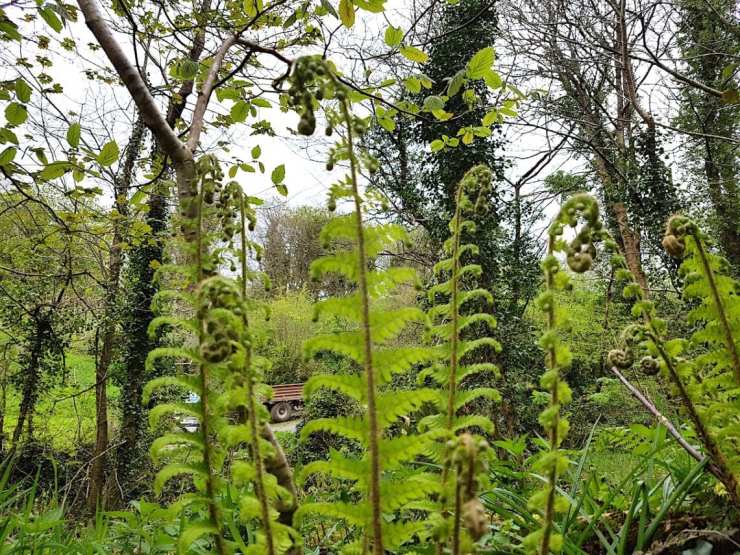
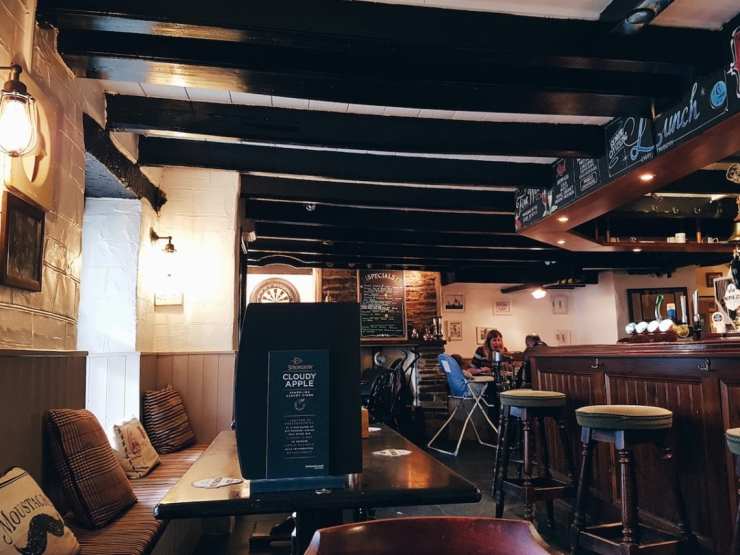
After our walk in the Cornish Woods we fell upon our plates with ravenous appetites, eyes goggling at the sight of food. Hours of walking through the woods and sudden steep stretches can do that to you. A middle-aged man with a shock of white hair entered the pub through its dwarfish door and asked for a half-pint of ale. Thereafter his natter did not cease. The barmaid lent her ears till she naturally had to serve other customers. At this point he turned around, spoke a few words to a girl in a pram, then turned our way and asked, “Have you guys come down from London?” That was the beginning.
These are the encounters that make a trip worth its salt. Do you know what I mean? Of course, you do. We are all social beings. Somewhere deep inside, even the most introverted individual likes to meet people. This yearning is engraved into the human genome, irrespective of caste, creed, age, gender. That apart, meeting new individuals is our window into a different kind of life; it may often be the life we aspire to.
Alastair gave me hope, that dreams do come true. But you cannot sit back, lie on your couch, and have visions of this glory that should have been yours. You work towards it. Listen to his story?
Alastair spent a fair part of his childhood visiting Cornwall with his parents. He roamed the world, said he never found anything like Cornwall.
A London worker, he came to Polruan one day, three years ago, and started looking for bed & breakfast accommodations. Found none, slept on a bench overnight with his rucksack and liked the look of the village so that he met an estate agent to scout for a cottage to buy. He found one at the top of the pub we were sitting in, that is the Russell Inn, and he staked his claim on it. But that is never enough, as we all know. We have got to go through the miserable practicalities of life such as waiting, negotiating, and the works. The estate agent would give him a call if it worked out.
He returned to daily routine in London and thought nothing would come of it. Two weeks had passed when he got a call from the estate agent, asking him to pop down to Polruan, sign some papers and take the cottage off his hands. That is how Alastair found himself back in the village with two bags and a rucksack. He lay down his sleeping bag on the floor of his new home because he had nothing apart from those few bags and slept. He woke up to a new life of a small pension, but it was also the life he had yearned for during his growing-up years.
Then Alastair muttered a few dozen ‘sorry’s’ for interrupting our meal (what would the Englishman be without them) and asked us to return for a pint with him at the pub. “I live up this hill,” he added. I do not know if we will end up sharing more conversations over a pint, yet for those few moments Alastair gave us a window into a future which seems achievable.
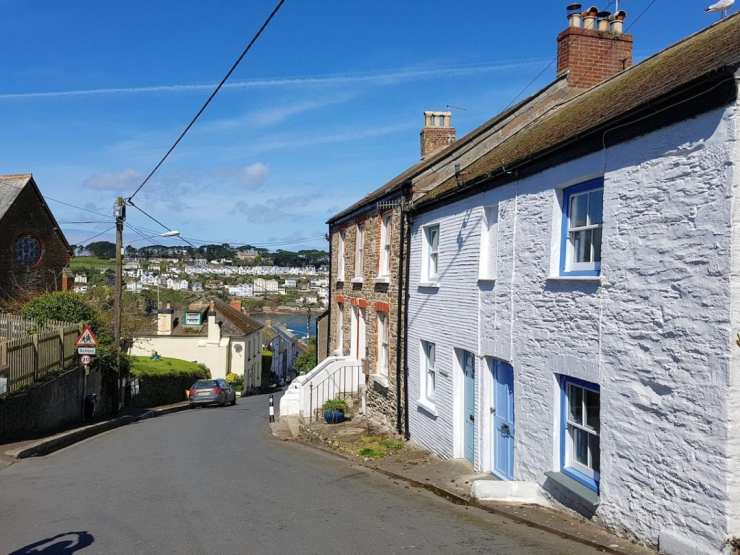
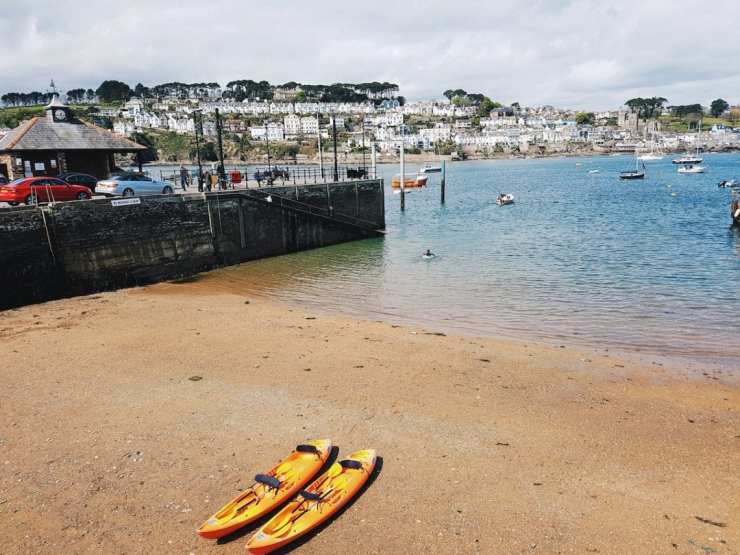
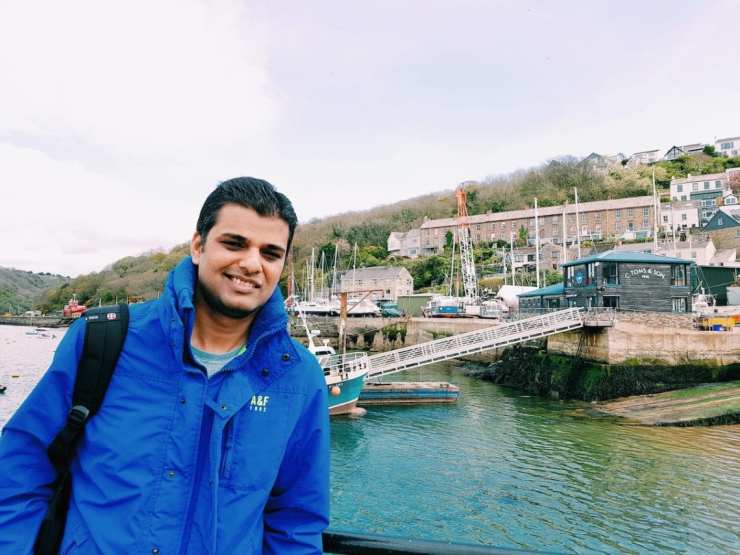
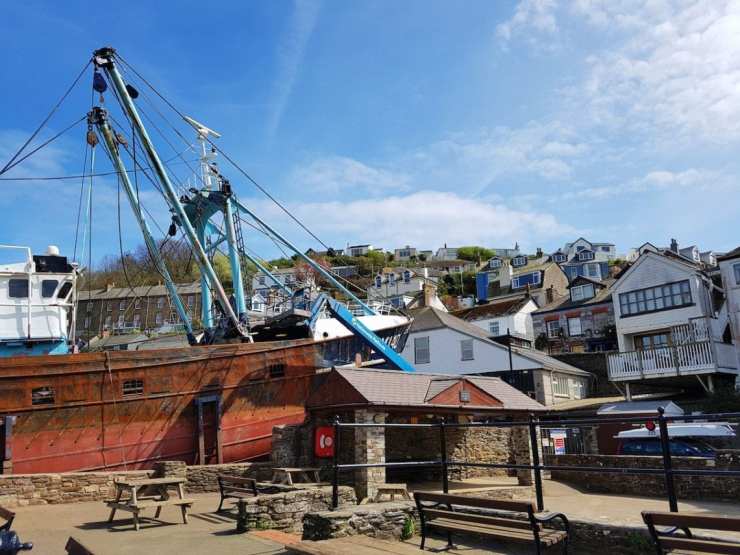
When you walk into Polruan, you see why Alastair fell for it. We did as easily.
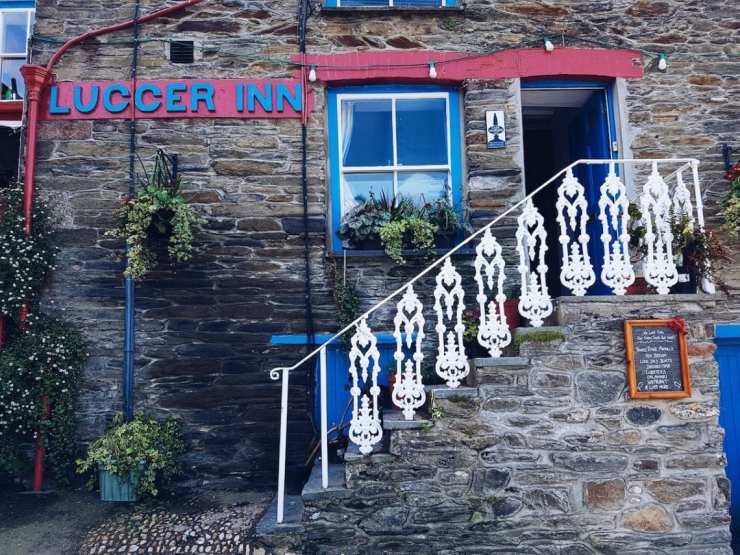
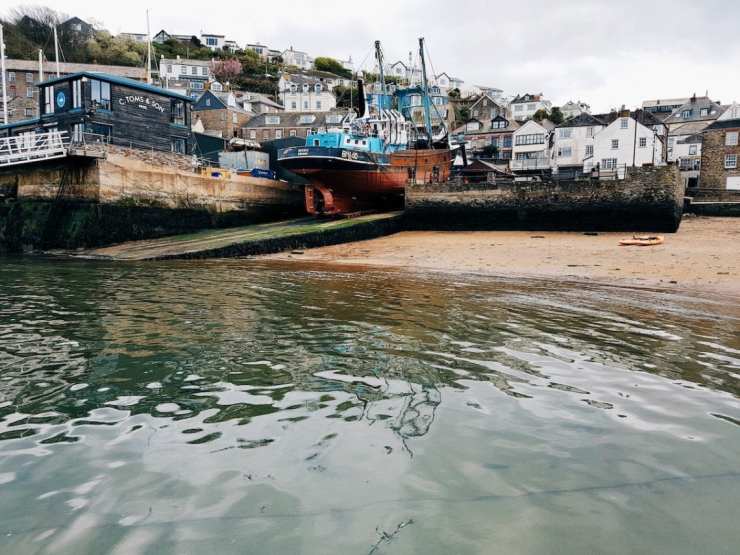
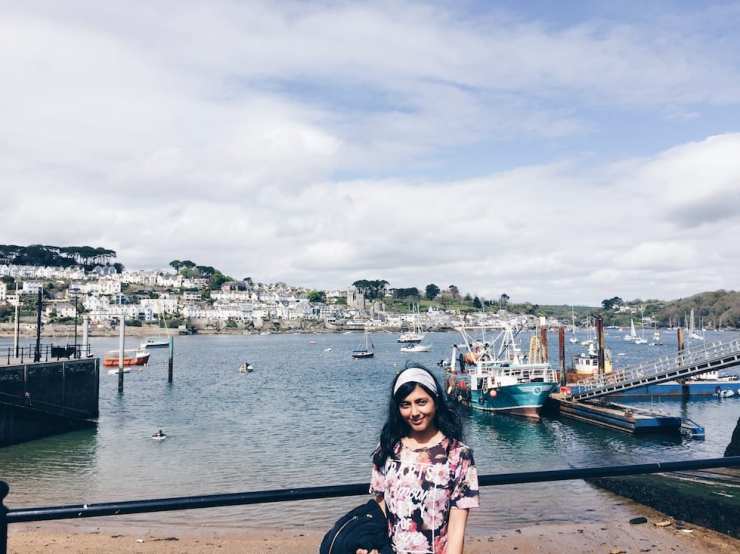
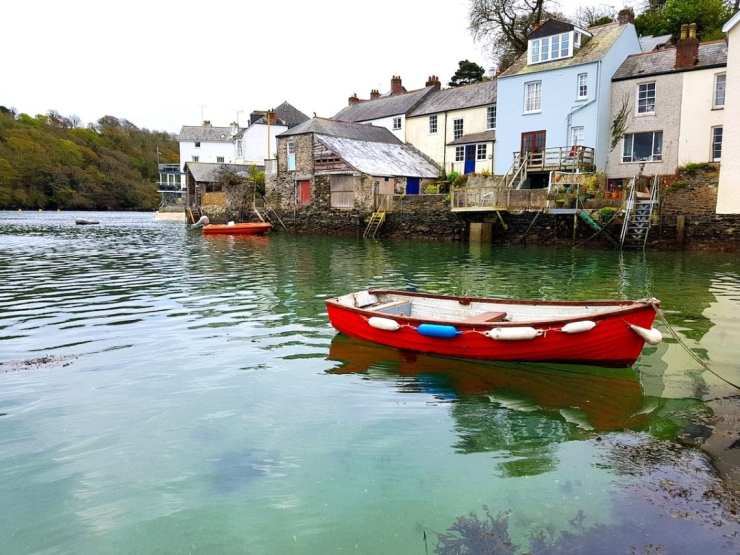
Cornish fishing villages are a cut above anything you’ve seen. This particular one is stationed by the river Fowey with one road leading in and out of the village, names like ‘The Singing Kettle’, ‘Lugger Inn’ and ‘The Winkle Picker’ winking back at you. There are two pubs in the village – the 19th century Russell Inn (where we sat) and the old Lugger Inn. The Winkle Picker is a convenience store-cum-post-office that gets its name from its previous owners. The two misses were called Joan Winkle and Joanne Pickering, so you have that cute outpost on the quay.

How to Get There: Get to Fowey and take a 5-minute ferry to Polruan.
Where to Stay: At the top of the village, is a Polruan Holidays campsite (www.polruanholidays.co.uk) with 40 pitching spots. The view from the campsite: Stunning.
If not that, go for Hormond House (www.hormondhouse.com) where they have just three rooms, so book ahead?
What to Do:
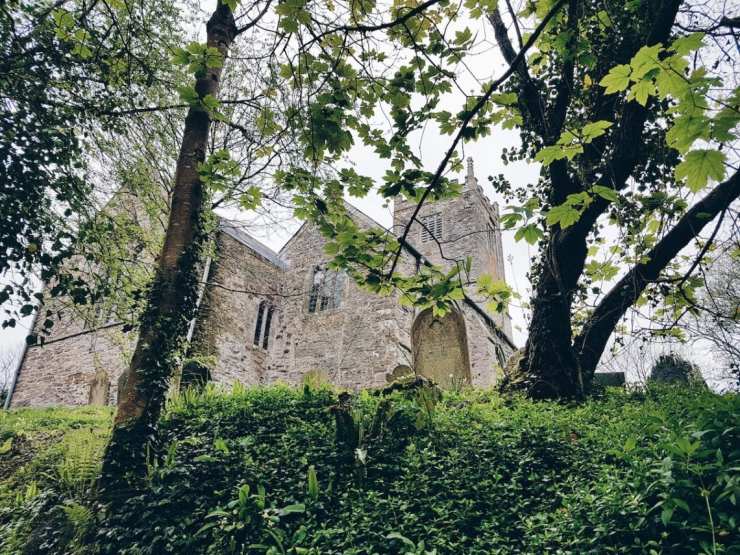
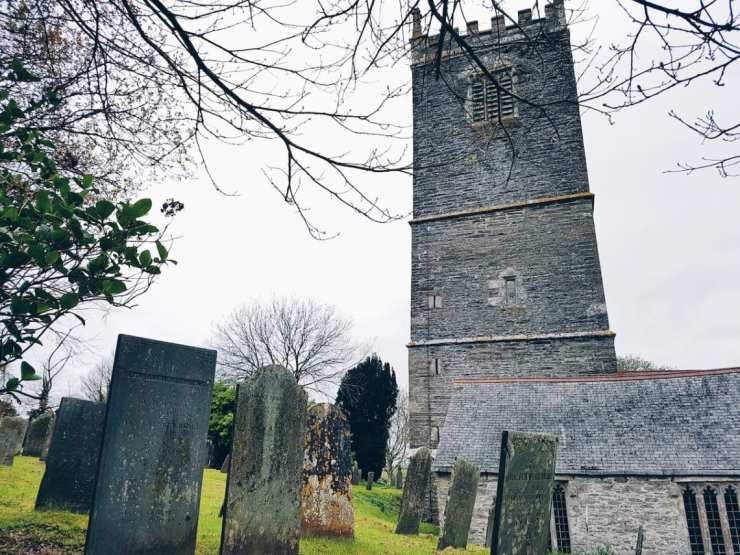
St. Saviours Chapel, an 8th century church.
Brazen Island, an isolated rock.
Ferryside (Daphne du Maurier’s home) and Bodinnick.
The Hall Walk in the heart of Daphne du Maurier country takes you through Bodinnick, Lanteglos-by-Fowey and Polruan.





 ARUNDHATI BASU