You cannot let the weather beat you. We learnt that lesson in Norway when we went on a hike to Pulpit Rock. If the Norwegians did hold their head in their hands and sit inside because of inclement conditions outside, they would be inside, forever. The night before travelling to Stavanger, we were contemplating cancelling our flight tickets. The forecast was for thunderstorm and showers the whole weekend. Now, when we called the hotel we were booked with in Stavanger, we heard a cheery line from the other end: ‘There is no such things as bad weather, only bad clothes’. Right. Levels of optimism that might have tempted us to ask the person at the other end to ‘go take a hike’, except for the simple fact that we were the ones strictly off for a hike. Right after midnight we decided to lump overthinking and go for it. There is a point to all the rambling. It changed our attitude to travel. Unless of course there is lightning and thunderstorm predicted for hikes like Trolltunga. Then you would do well to think twice – imagine the troll’s tongue turning slippery and you jumping on it (for the simple joy that you have made your way to the tongue) but then finding yourself sliding off it into the rocks below, not even the fjord.
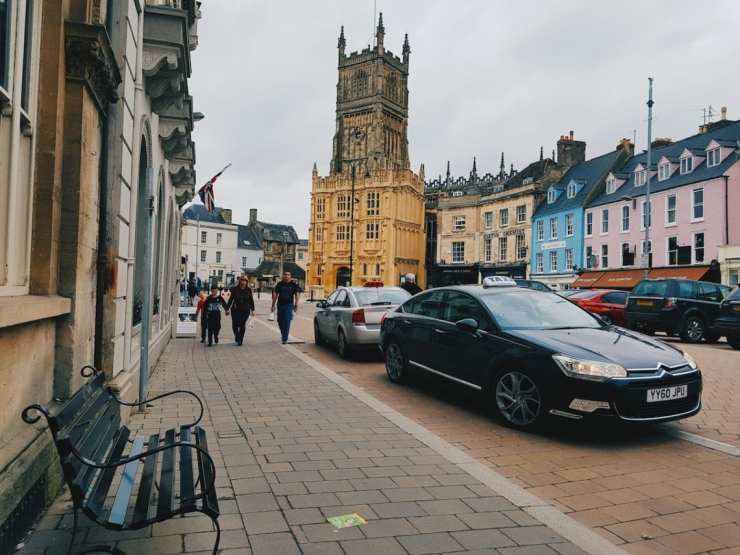
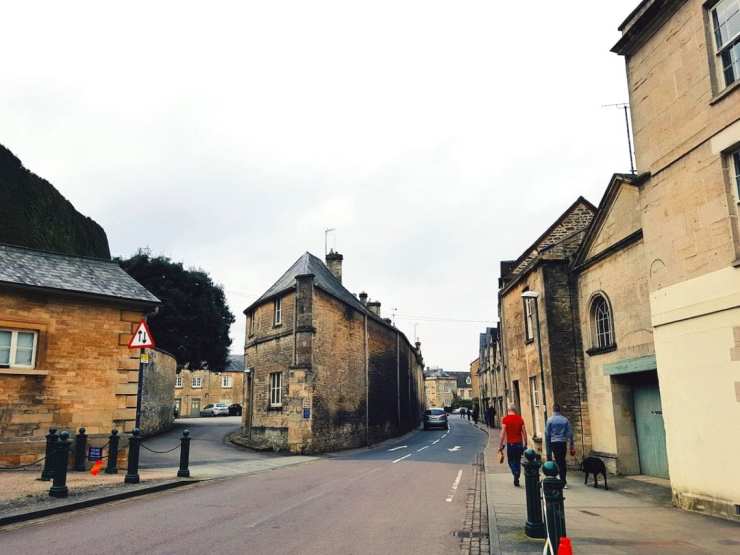
It was a spectacularly drab day when we woke up on Saturday last weekend. The kind that makes you think that a stormy blue sky is a blessing. The original plan of setting out for a walk in the Carding Mill Valley, a lovely heathland in the West Midlands, changed to a sedate saunter through a town in the Cotswolds. Cirencester. We make incessant trips to the Cotswolds (ref: The Wolds on the Windrush) but somehow we had missed out on this traditional market town. When we got into the town, we found the traditional limestone coloured buildings that are a key element in the landscape of the Cotswolds. If it was sunny how they would have glowed a honey gold.
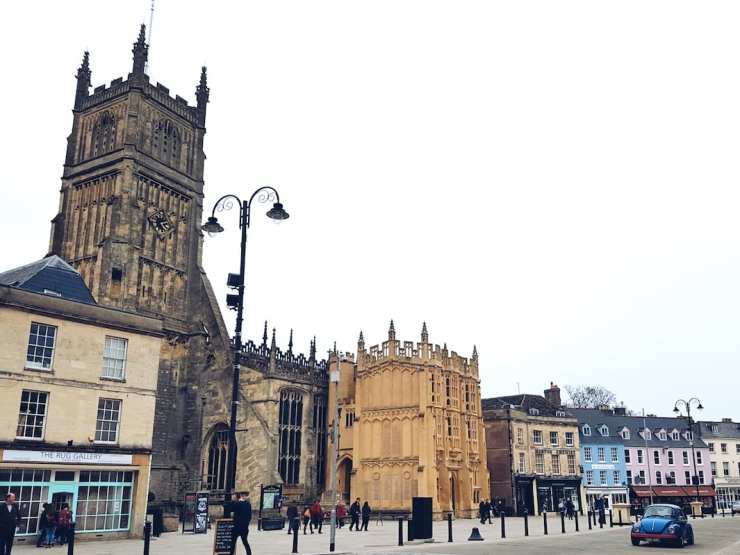
But it was dark and the stones on the buildings seemed to acquire a weathered look. That said I do have a soft spot for the way those stones look aged like the ones on the church below. They give it a certain dignity. It impresses upon the gaping onlooker that it has been standing there for ages, a silent witness to the comings and goings of the people of the town over generations, which is as well because the parish church of St. John the Baptist is over a 1000 years old.
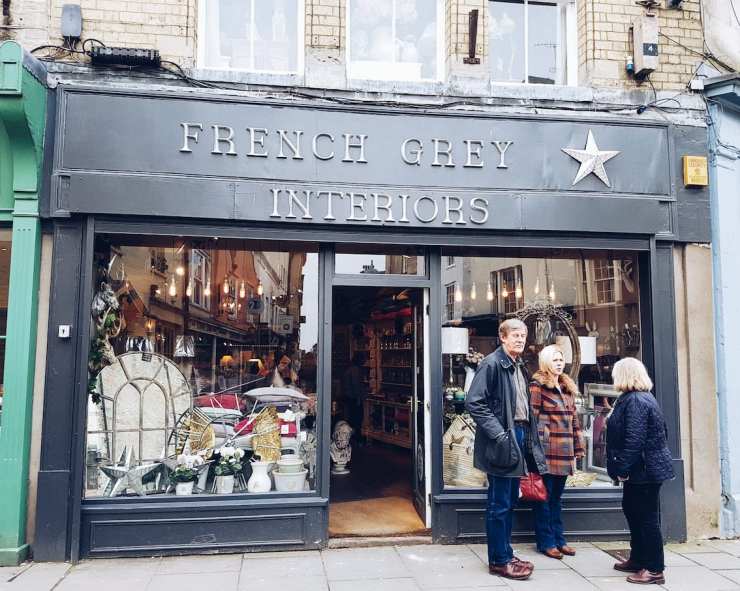
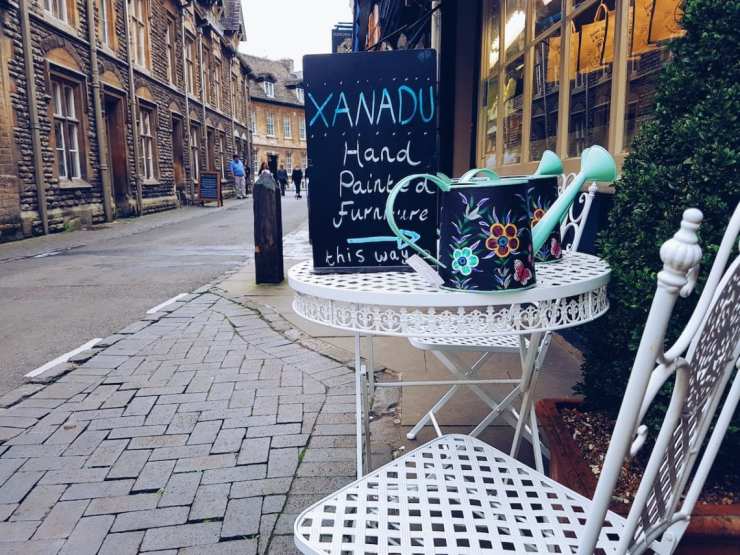
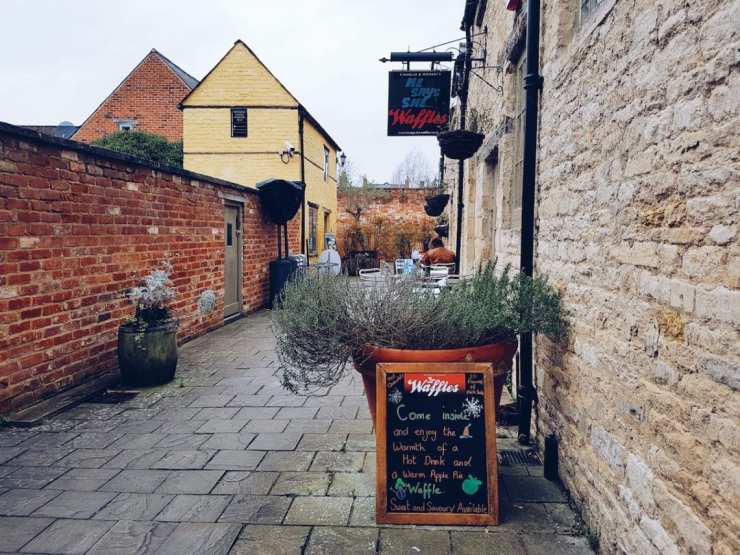
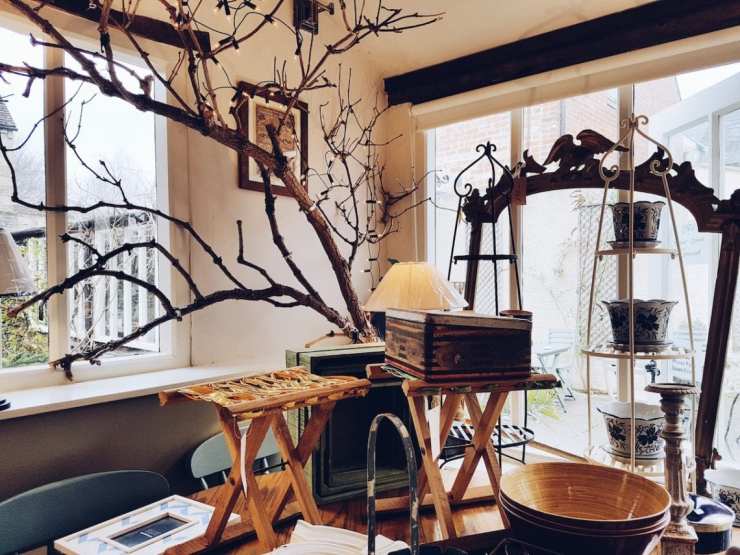
Now Cirencester is not your average pretty Cotswold village, crammed with chocolate box houses and bakeries. No sir, this is more of a busy and chic town made up of expensive Scandinavian-style fashion boutiques, a fair number of vintage and homeware stores to delight the senses, art centres, old halls (Corn Hall) that have been converted into crafts markets and a list of warm pubs, country inns and bistros. Not many tourists come through and I suppose locals are quite content with the fact. But if you are in Cirencester you know you have reached the former Roman city of Corinium that ranked second only to London in size and importance.
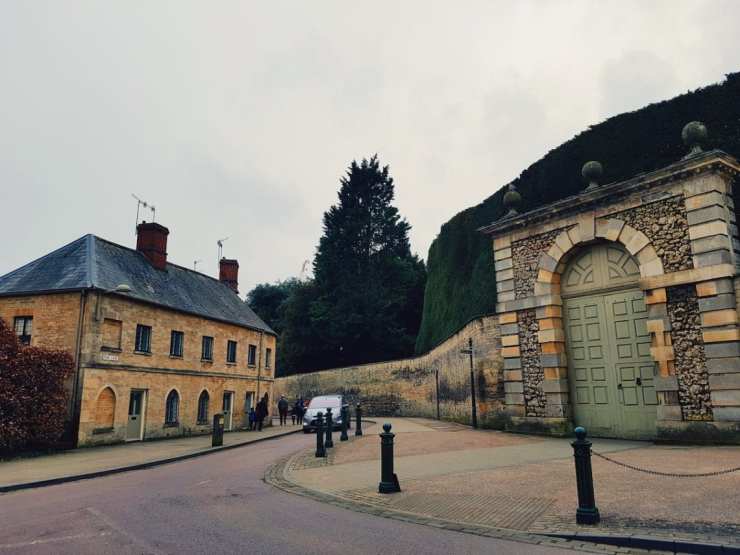
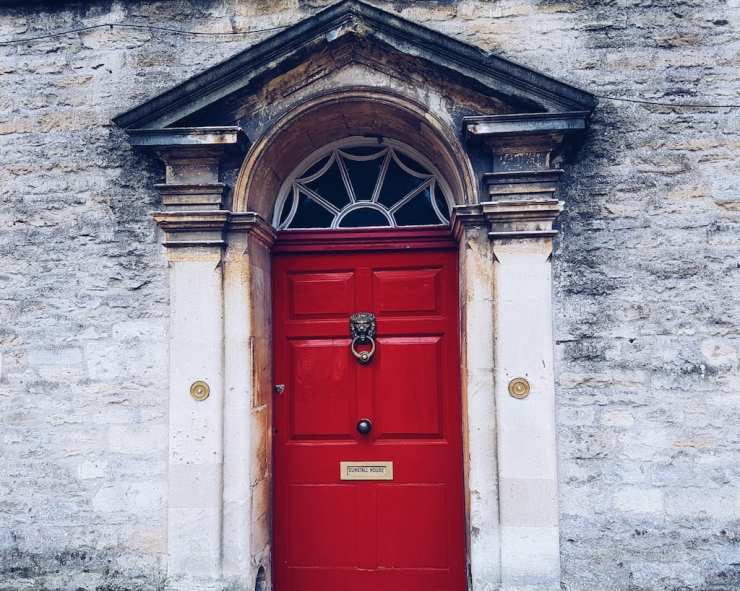
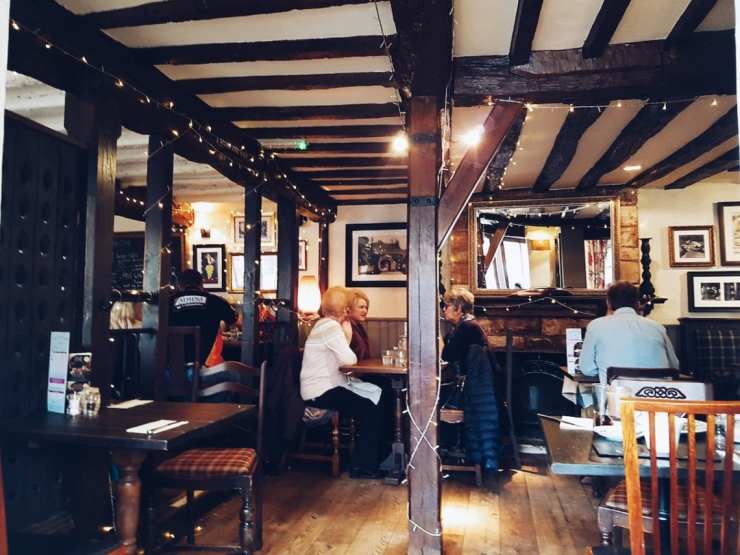
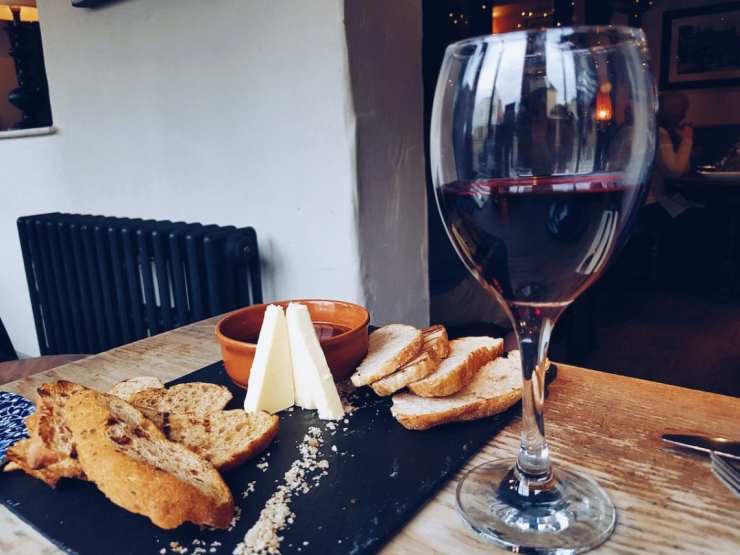
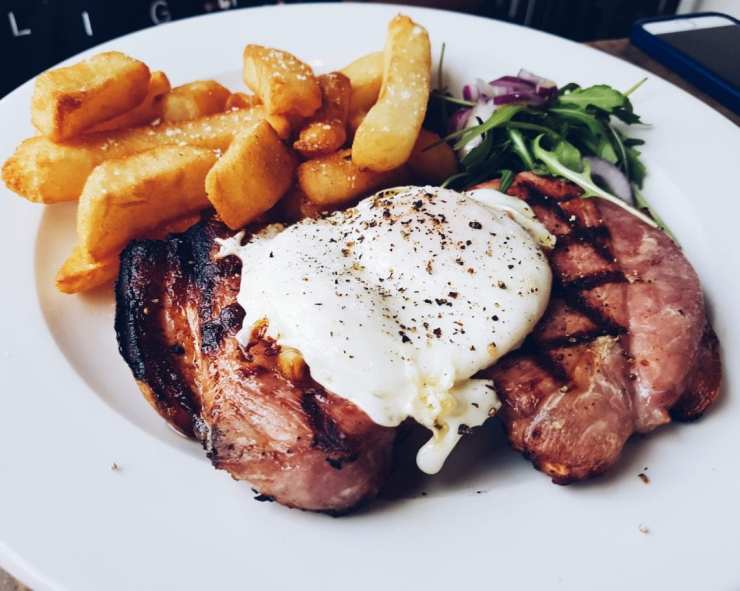
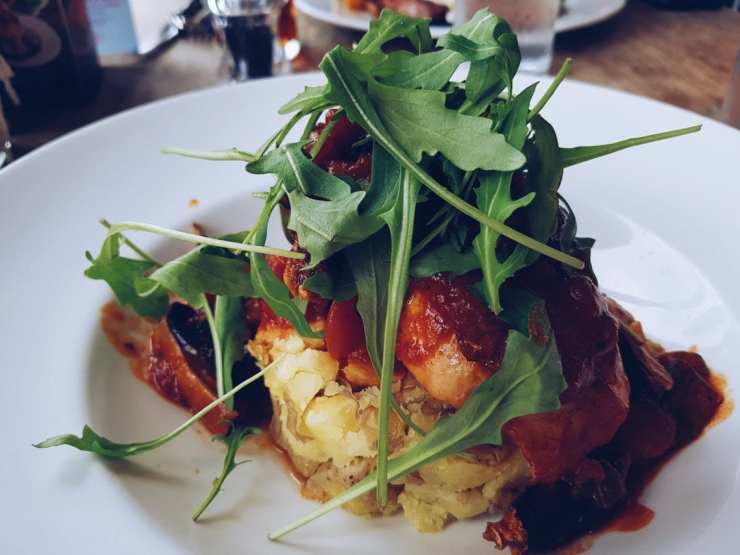
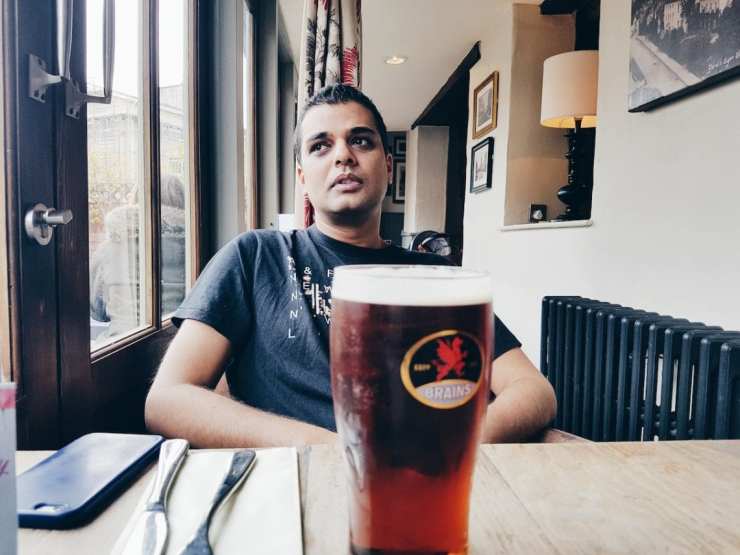
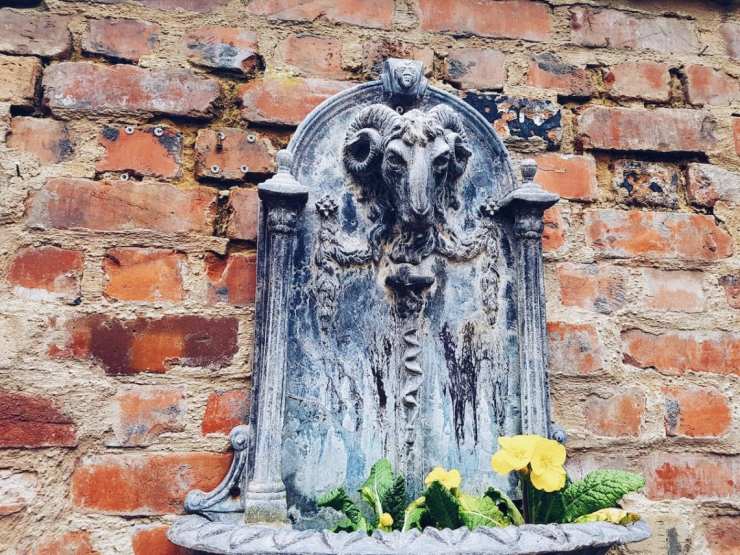
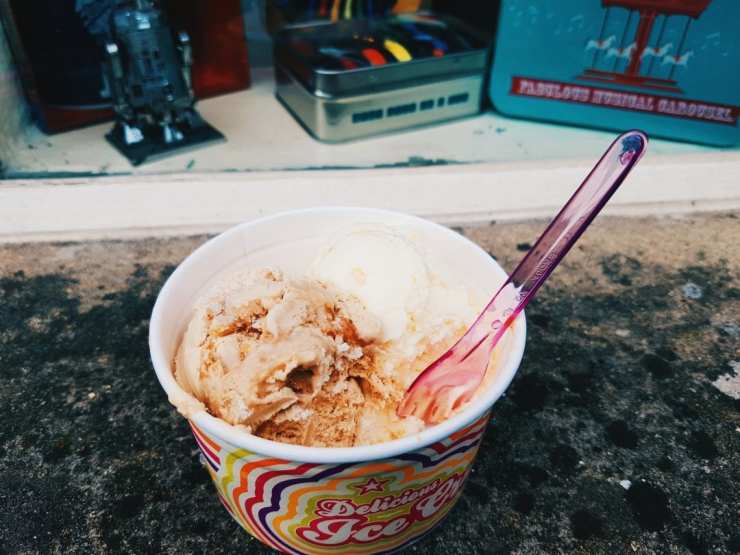
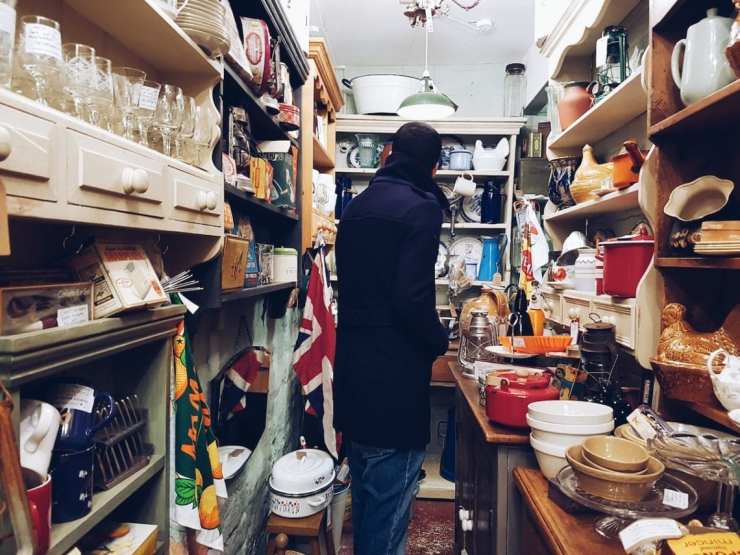
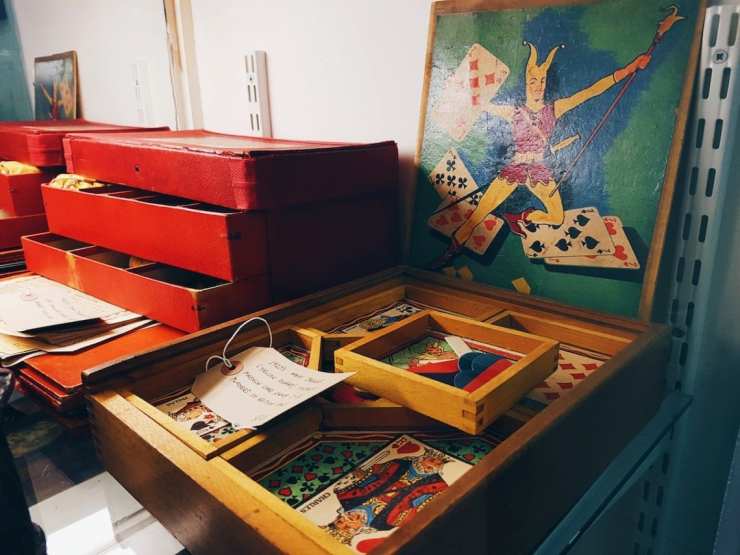
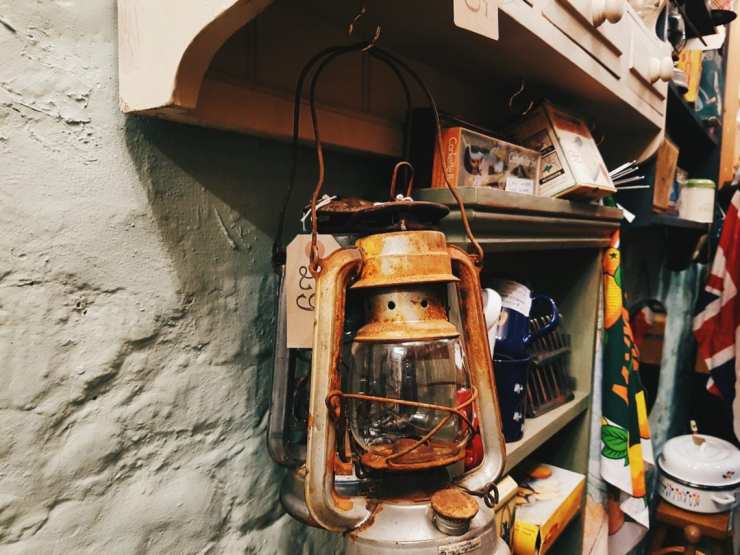
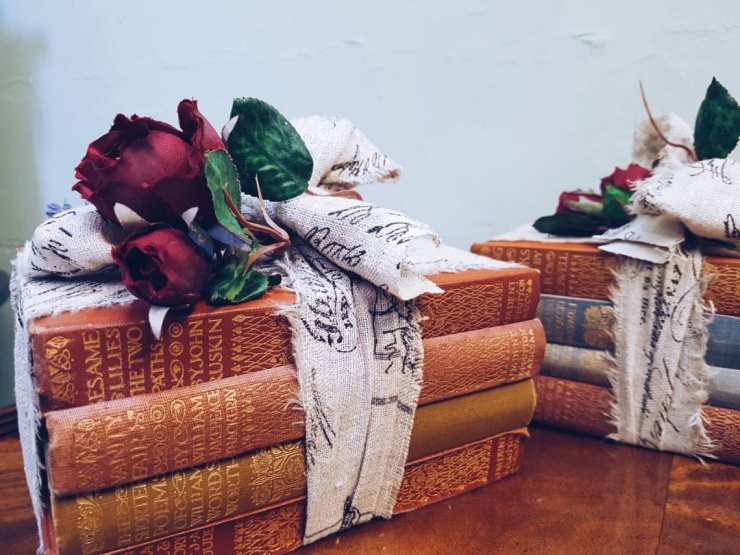
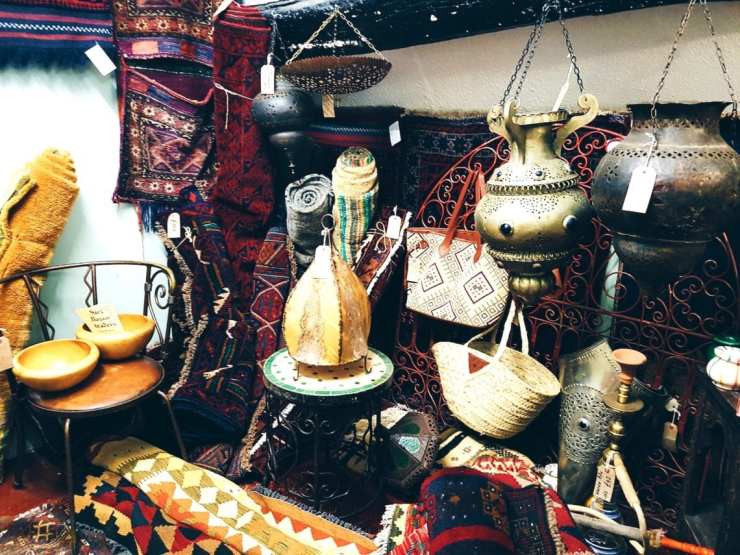
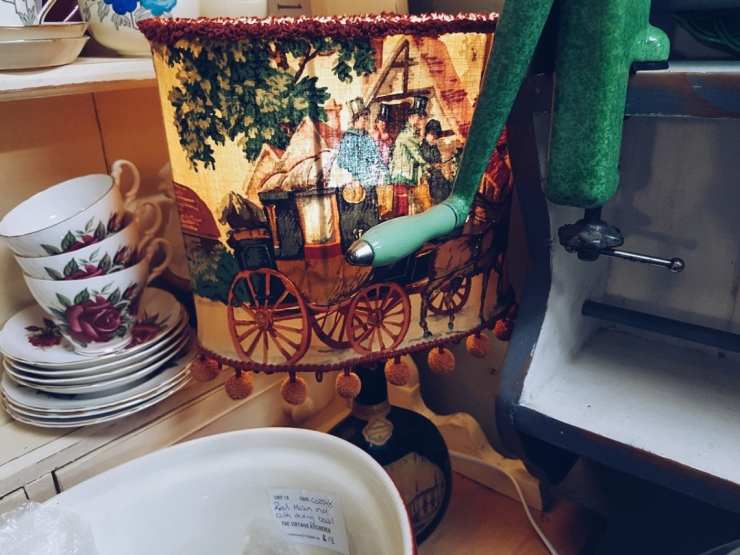
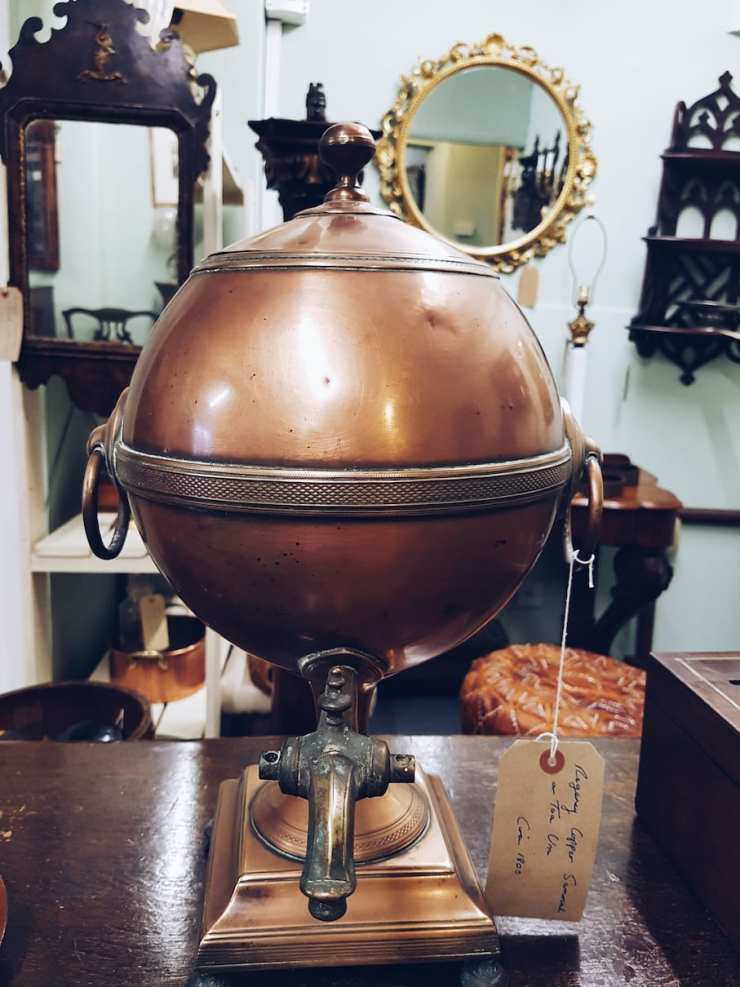
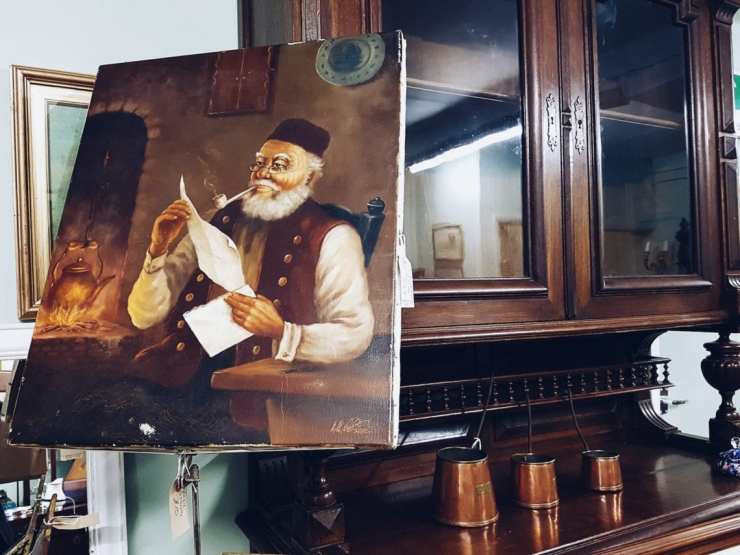
After lunch it was time explore the town for knick-knacks.
How to Get There: Cirencester is known as the Capital of the Cotswolds because of its central location in the area. Hiring a car is your best option to reach the town located at the intersection of four A roads and connected by the M4 and M5. The train station nearest is Kemble, about 6 miles off. Buses to and fro cannot be counted upon. So really, just drive.
Where to Stay:
The Fleece (thefleececirencester.co.uk) is a centrally located former coaching inn that dates back to the 17th century. Standard double rooms start at roughly £110 per night including breakfast.
The Old Brewhouse (theoldbrewhouse.com) is a good old bed & breakfast run in a 17th-century townhouse. Double rooms are pegged at £95 per night.
Where to Eat:
Jesse’s Bistro (jessesbistro.co.uk) offers modern British fare. A two-course menu starts at £20.
The Bear Inn offers British classics. They have a host of pre-set menu offers that are quite cost-effective and the food is good.
Made by Bob (foodmadebybob.com), a deli and café in the Corn Hall is a hit with the modish crowd. Its chef is Bob Parkinson, who trained at the South Kensington restaurant, Bibendum, in London. A two-course menu costs between £25-30.
What to Do:
Cirencester Roman Amphitheatre on the outskirts of town. It’s free.
St. John the Baptist church. Behind it are the abbey grounds where once stood an Augustinian abbey. It was razed down in the 16th century. Through the abbey’s remnant Norman archway, a path leads to Harebushes Wood for a woodland walk.
Cirencester Park, home to the Bathurst Estate, is open to the public for free. Timings: 8am-5pm.
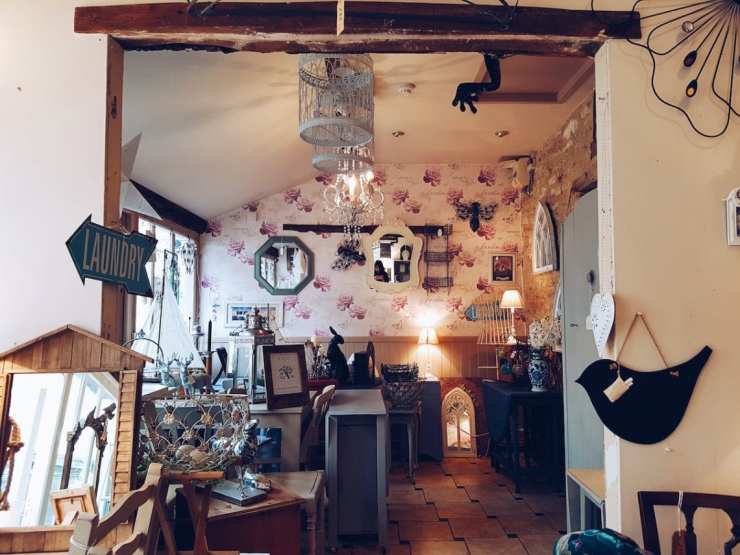
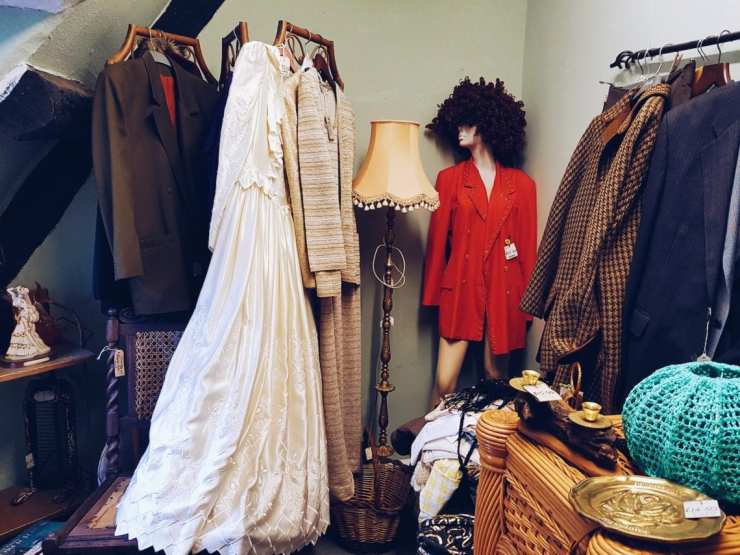
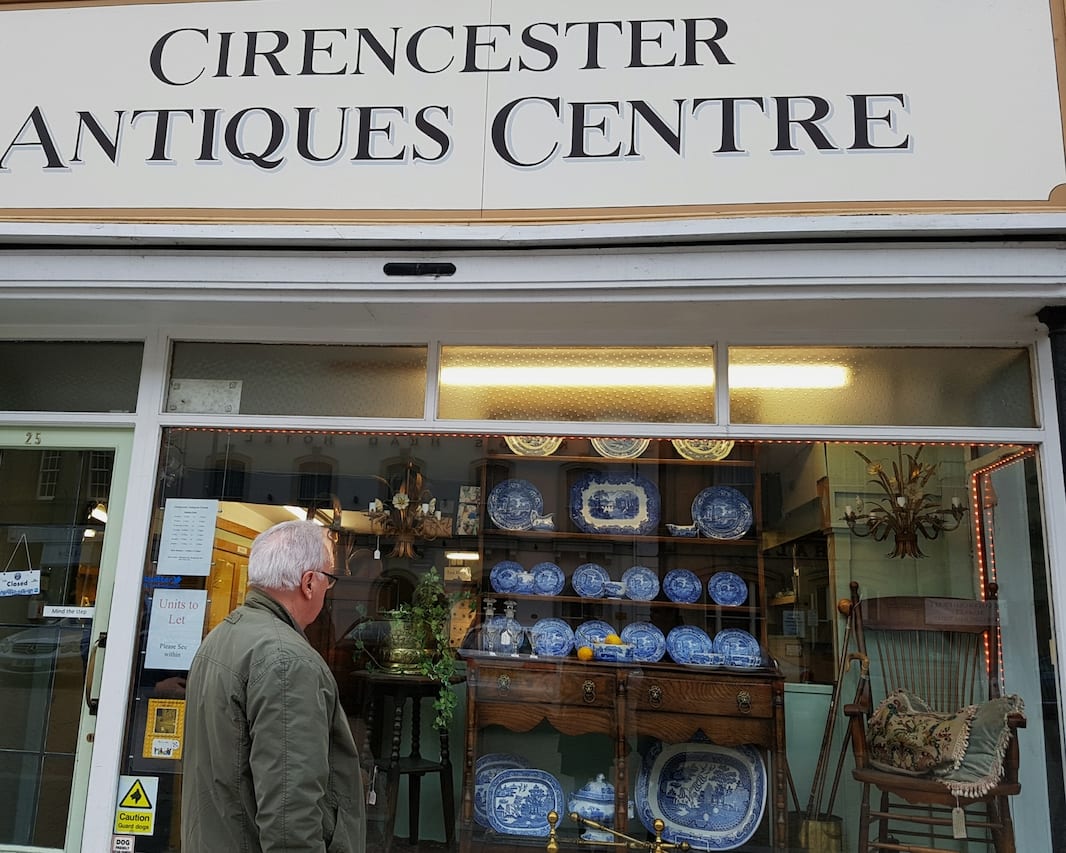
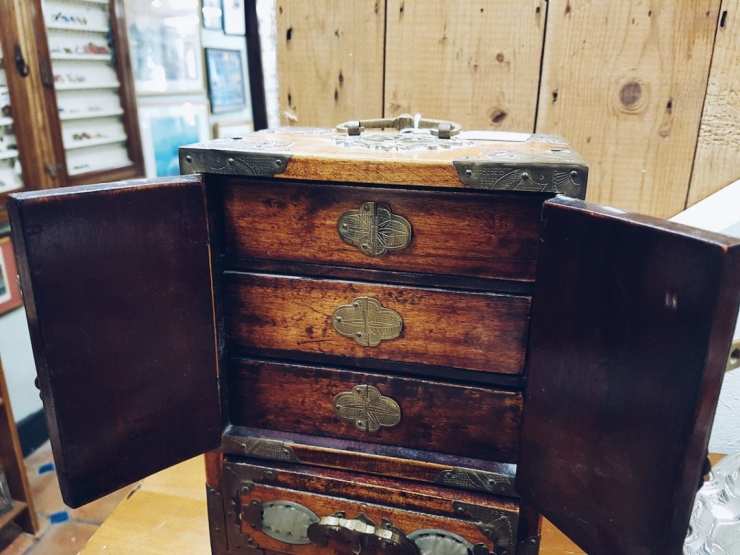
Cirencester Antiques Centre (Antique Hunting in the Wolds) if you are fond of all things old.
Black Jack Street for more vintage browsing.
If you are done with seeing the town, head off to the picture-postcard villages of Bibury and Bourton-on-the-Water or towns like Burford.



 ARUNDHATI BASU